My family looks different. Does it still count?
A family can be loving, complicated, temporary, blended, chosen, related by blood, related by law, or held together by people doing their best.
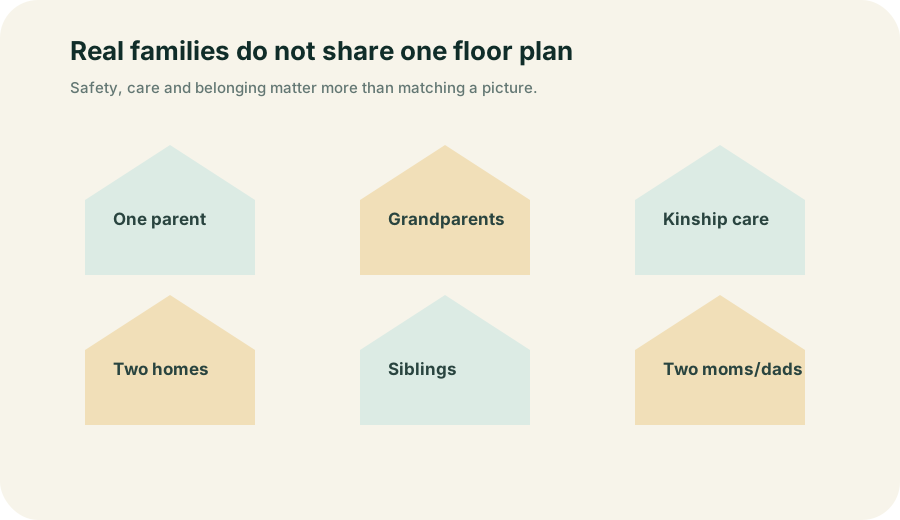
Who raises you does not determine whether you are normal, lovable, or likely to have a good life. You can appreciate a caregiver and still feel grief, anger, curiosity, embarrassment, or divided loyalty.
Who is caring for you?
One parent
Money, missing the other parent, school events, and not becoming the missing adult.
Grandparents
Love, aging worries, generational differences, and questions about parents.
Foster care
Placements, belongings, siblings, caseworkers, privacy, and speaking up.
A relative or family friend
Loyalty, rules, legal uncertainty, gratitude pressure, and belonging.
An older sibling
Love, authority, limited resources, resentment, and getting adult support.
Adoption
Identity, origin stories, medical-history gaps, curiosity, grief, and connection.
What is making home difficult?
Living in two homes
Transitions, possessions, rules, privacy, and feeling like a visitor.
A blended family
Stepfamily roles, new siblings, loyalty conflicts, and boundaries.
A parent is absent
Death, incarceration, abandonment, deployment, deportation, or unknown absence.
A parent is ill or addicted
Safety, unpredictability, secrecy, responsibility, and outside help.
I feel like the parent
Adult responsibilities, guilt, boundaries, and getting backup.
Housing is unstable
Privacy, school, belongings, documents, transportation, and practical support.
Two moms, two dads, or LGBTQ+ parents
School questions, prejudice, privacy, and family legitimacy.
What do I tell people?
Short, medium, and firm answers for classmates, teachers, forms, and events.