
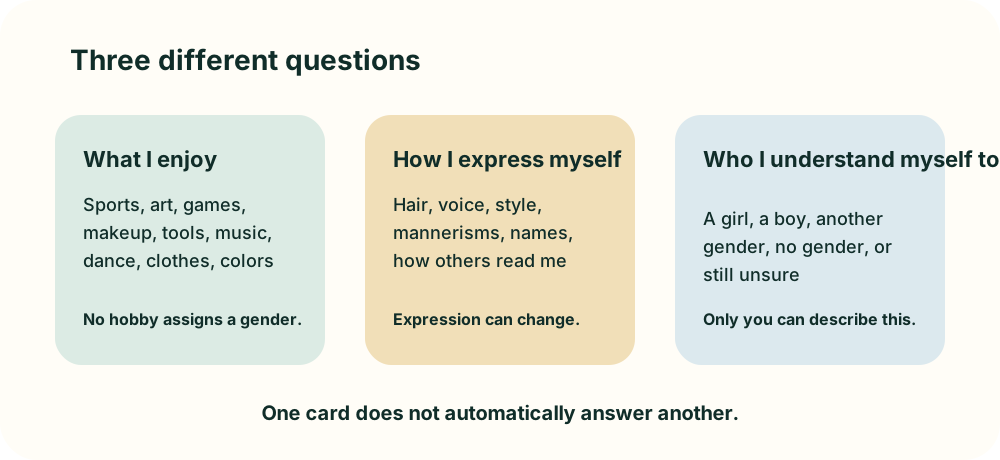
Separate four different things
A masculine girl is not a failed girl. A feminine boy is not a failed boy. Someone can reject stereotypes and remain completely comfortable being the boy or girl others have always understood them to be.
Some people experience a more persistent sense that the gender others assign them does not fit. They may use words such as transgender, nonbinary, gender-diverse, or questioning. Those words describe experiences; they are not conclusions that a website should impose.
Questions that can help without turning into a quiz
- Am I mostly upset because other people punish or tease me for what I like?
- Would I feel comfortable as a girl or boy if nobody limited my clothes, hobbies, voice, or friendships?
- Am I curious about a name or pronoun, or am I being pressured to choose one?
- Is the distress occasional, or is it persistent and interfering with sleep, school, safety, or ordinary life?
None of these questions provides a diagnosis. They simply separate stereotypes, social pressure, and internal feelings.
You can take your time
You may keep your current name and pronouns. You may privately try different words. You may decide that no label helps. You may change your mind as you understand yourself better. Exploration should not require secrecy with unsafe people, public announcements, medical decisions, or proving anything to strangers online.
When support may help
Ask a safe adult for help when others are threatening, humiliating, or controlling you because of clothes, interests, appearance, or identity.
A qualified, noncoercive counselor or clinician can help when body or gender distress is intense, lasts, or interferes with life. Their job is to listen and help you understand—not force a label in either direction.
Get real-world help now if someone threatens violence, homelessness, forced treatment, sexual harm, or punishment that makes home unsafe.
Words you can use
“I need to talk about gender rules and how people see me. I do not want anyone to decide what I am for me. I want help thinking safely and without pressure.”
AAP: Gender identity development and stereotypes · CDC terminology · AAP: Sex, gender identity and puberty