
Start with what is worrying you.
No account. No photos. No public questions. Search stays in your browser, and every serious guide tells you what is ordinary, what can help, and when to get an adult or clinician involved.
You do not need the perfect category
These routes are based on what a worried reader needs next, not on medical department names.
Something is changing in my body
Choose by the body question you have. No gender label is required.
Start with body changes →02Something sexual happened or worries me
Pressure, images, grooming, consent, body responses, memories, and telling someone.
Find safe help →03My family or home feels different
One parent, foster care, relatives, adoption, two homes, addiction, loss, and instability.
Find your situation →04I keep comparing myself or feeling behind
Checking, unwanted thoughts, loneliness, no crushes, inexperience, identity, and shame.
Calm the comparison loop →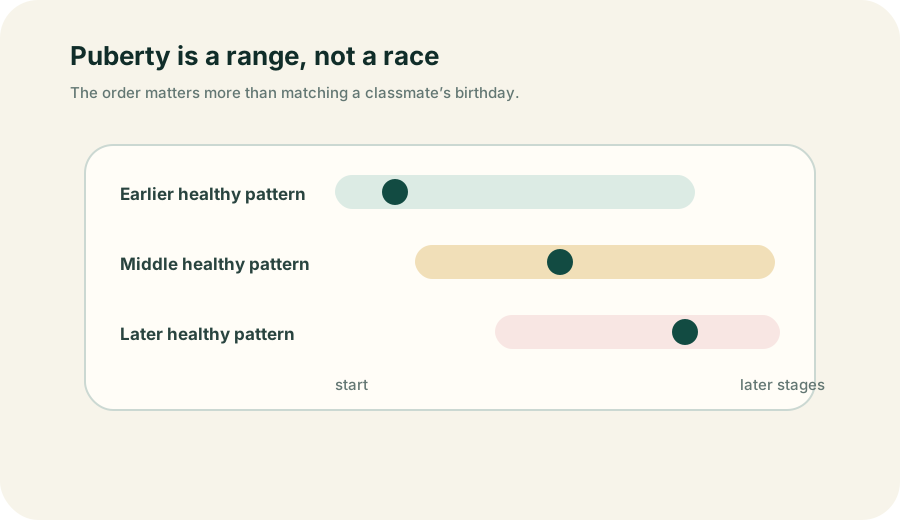
Your age is not your puberty stage
People the same age can be years apart in development and still be healthy. Use sequence, symptoms, and broad ranges rather than one classmate as a measuring stick.
See development rangesWhat this site will not ask you to do
Looking for adult comparison tools?
Adult height, weight, waist, testosterone, fitness, sleep, earnings, and anatomy research are kept away from the youth pathway.