
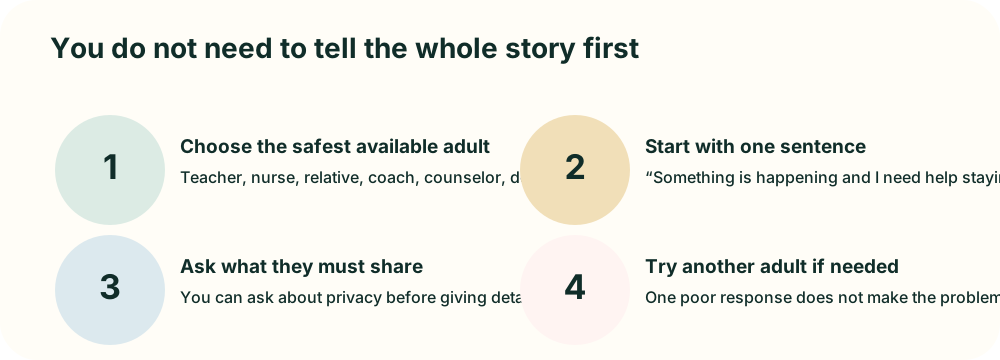
Possible adults outside home
- A teacher, school counselor, nurse, principal, or safeguarding lead
- A doctor, clinic nurse, therapist, pharmacist, or emergency-department worker
- A relative, friend’s parent, coach, faith leader, or youth-program worker you already trust
- A child helpline or protection service in your country
Adults in some jobs may have to report suspected abuse or immediate danger. You can ask: “Before I explain, what would you have to tell someone else?” They may not be able to promise secrecy, but they should explain what happens next.
If the unsafe person checks your device
- Use a safer device if possible, such as at school, a clinic, library, or trusted person’s home.
- Do not rely on a “leave page” button to erase history.
- Memorize one phone number or write it somewhere ordinary if saving it creates risk.
- Do not confront the unsafe person alone if doing so could increase danger.
If the first adult did not help
Try a different adult and be more direct about the result you need: “I am not asking whether you think it is serious. I need help staying safe and contacting someone trained for this.” Keep any safe evidence, dates, names, or screenshots, but do not endanger yourself to collect proof.
Immediate danger
Move toward people and emergency help. If you can, go to a public place, neighbor, school office, clinic, police or fire station, or another location where adults can respond. Use local emergency services when violence or serious injury may happen now.
Words you can copy
“I cannot safely tell the person at home. I need you to help me contact someone who can protect a young person. Please explain what you must share before I give details.”
Support: Country-specific options are listed without automatic location tracking. Services have different confidentiality and reporting rules; ask them to explain those limits.
Choose your country and support type
Choose your country and support type