
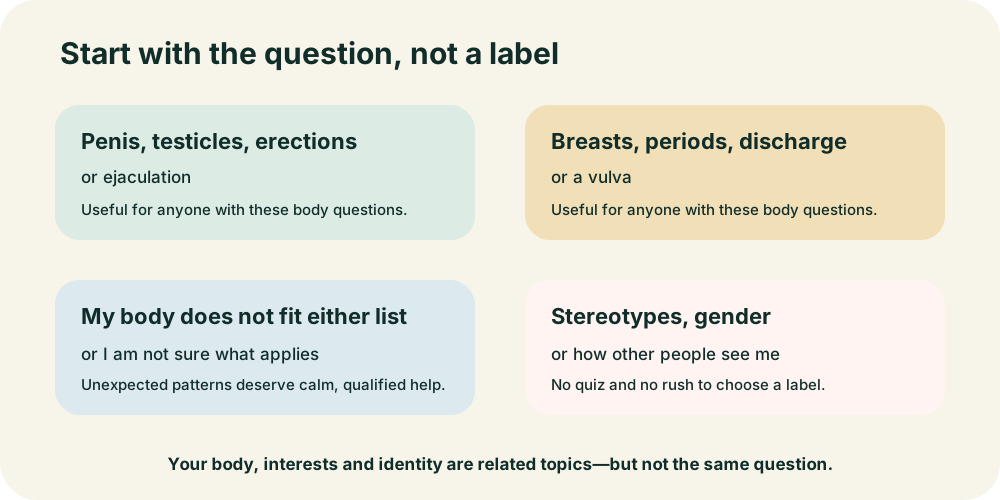
Examples of questions that belong here
- You have a combination of changes that does not match either pathway.
- Puberty started much earlier or later than expected.
- You were told you have an intersex variation, chromosome difference, hormone condition, or difference of sex development.
- Surgery, illness, medication, puberty blockers, or hormones have changed the expected sequence.
- You are not sure what body words apply to you.
“Intersex” describes variations in sex characteristics such as anatomy, hormones, or chromosomes. It is not automatically a gender identity, and it cannot be diagnosed from an internet checklist.
What a clinician may ask
A clinician may ask when changes began, growth history, family timing, medications, previous surgery, headaches or vision symptoms, eating and exercise patterns, pain, bleeding, and other body changes. They may offer an exam or tests, but should explain why and ask permission. You can request a support person and ask what can remain private.
Get help sooner for these signs
Sudden severe testicle or lower abdominal pain, trouble breathing, fainting with heavy bleeding, severe headache with vision changes, or immediate danger needs urgent care.
Rapid unexpected changes, severe pain, bleeding that disrupts life, or medication effects deserve evaluation.
If development seems much earlier or later than peers or has stopped, a clinician can compare the whole growth pattern rather than one feature.
Words you can use
“My puberty changes do not seem to match either usual pathway. I want an explanation without anyone assuming what this means about my identity.”
Privacy and dignity during care
You can ask the clinician to use the body words you understand, explain who will see records, and tell you before involving another person. You may ask for a chaperone or support person when local rules allow. You can also say that you do not want body traits treated as a joke, secret, or automatic statement about gender.
Some evaluations take more than one visit because growth patterns matter over time. A careful clinician should distinguish what is urgent from what can be observed, and should avoid promising certainty that the available evidence cannot provide.